
When it comes to motorcycle racing, every component of the bike plays a crucial role in performance, but none quite as subtly complex as the tyres. Far more than simple rubber meeting tarmac, competition tyres are a highly engineered interface between man, machine, and surface. To underestimate their influence is to risk grip, speed, and safety all at once.
Not all rubber is created equal
From compound chemistry to tread profile, they are meticulously developed for specific racing environments. What works on a sunbaked circuit will not translate to a damp hill climb or a muddy motocross track.
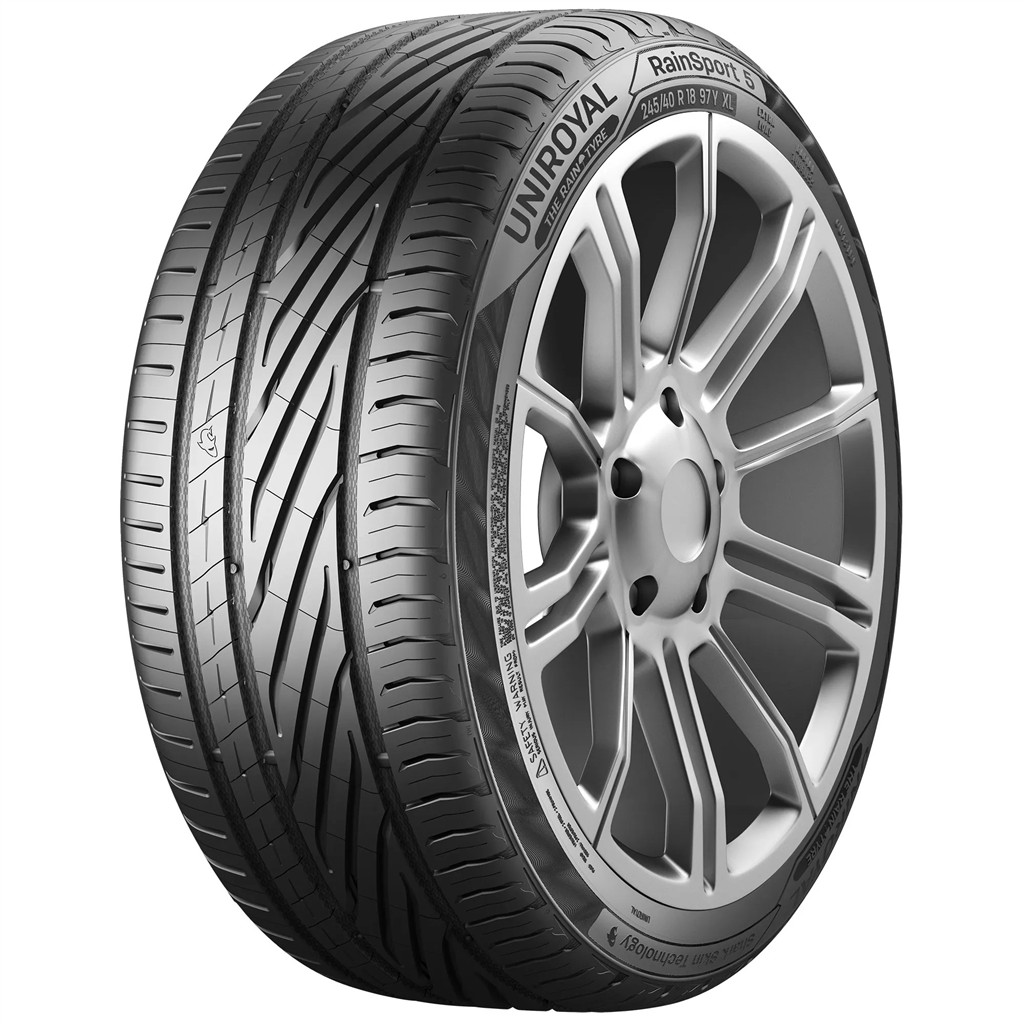
Slick tyres, for example, offer maximum contact with dry tarmac but quickly lose traction in wet or cool conditions. Rain-specific tyres, with deeper grooves and softer compounds, prioritise drainage and flexibility. The key lies in the fine balance between grip and durability, and knowing when to compromise one in favour of the other.
Temperature is everything
Tyre temperature is not just important, it’s critical. Competition tyres operate within narrow heat windows. Too cold, and they remain stiff and unresponsive. Too hot, and the rubber starts to degrade, reducing grip and increasing wear.
Racers often rely on tyre warmers before heading to the grid, ensuring the rubber reaches optimal working temperature. On-track, maintaining that heat requires a combination of aggressive cornering, consistent speed, and bike setup. It’s a delicate dance where tyre performance can shift in a single lap depending on rider input and environmental conditions.
Pressure reveals the hidden truth
Correct inflation is often overlooked by amateurs but closely monitored in professional circles. A slight adjustment in tyre pressure can dramatically alter handling, stability, and even how the suspension behaves.
Higher pressures might deliver a quicker steering response but can reduce the contact patch. Lower pressures increase grip yet risk overheating or sidewall instability. Factors like ambient temperature, track surface ,and rider weight all come into play. There’s no one-size-fits-all number; it’s about understanding your setup and tuning accordingly.
Tyre shape affects behaviour
While most riders focus on compound and tread, the profile or shape of the tyre often tells its own story. Rounder profiles allow for smoother lean angles, preferred in endurance racing. Sharper or pointier profiles give faster direction changes, favoured in short sprints or track days.
The carcass construction, how the internal structure is layered, also affects feedback and flexibility. Some tyres feel stiffer, offering precise road feel but less comfort. Others flex more, helping absorb imperfections but reducing response. Riders must choose based on discipline, not just brand or price tag.
Tyre wear tells a tale
Looking at a used tyre is like reading the diary of a race. Feathered edges, blue discolouration, tearing or scalloping each hint at something deeper.
Experienced riders and technicians know how to read wear patterns to fine-tune setup and predict issues before they arise. Tyres are not just a disposable part – they’re a diagnostic tool waiting to be read.
Know your discipline
Each type of racing comes with its demands. A tyre suited to MotoGP will not suit flat track or trials. Road racing demands high-speed stability and consistent grip. Enduro tyres prioritise traction over longevity, often with knobbly profiles for grip on uneven surfaces.
Understanding the needs of your specific competition is the starting point. From there, it’s about testing, adapting and fine-tuning.
Mastering the nuances of competition motorcycle tyres takes time, observation, and an appetite for detail. The right choice, properly prepared, can be the difference between a mid-pack finish and a place on the podium.
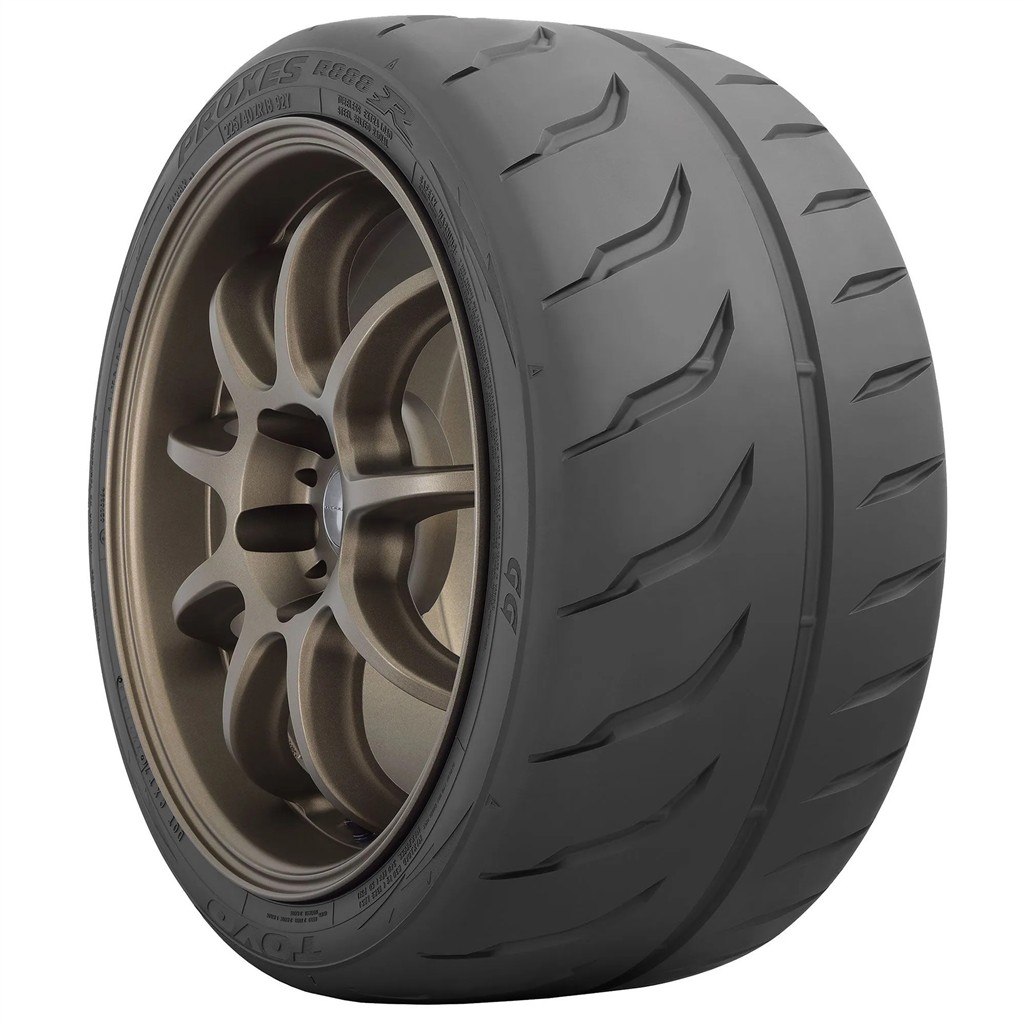
For riders looking to upgrade their tyre game or explore specialised options, Demon Tweeks offers a wide selection of performance-focused motorcycle tyres for all disciplines. Whether you’re chasing milliseconds on the circuit or tearing through a rally stage, their expertise and range help you grip the road ahead with confidence.